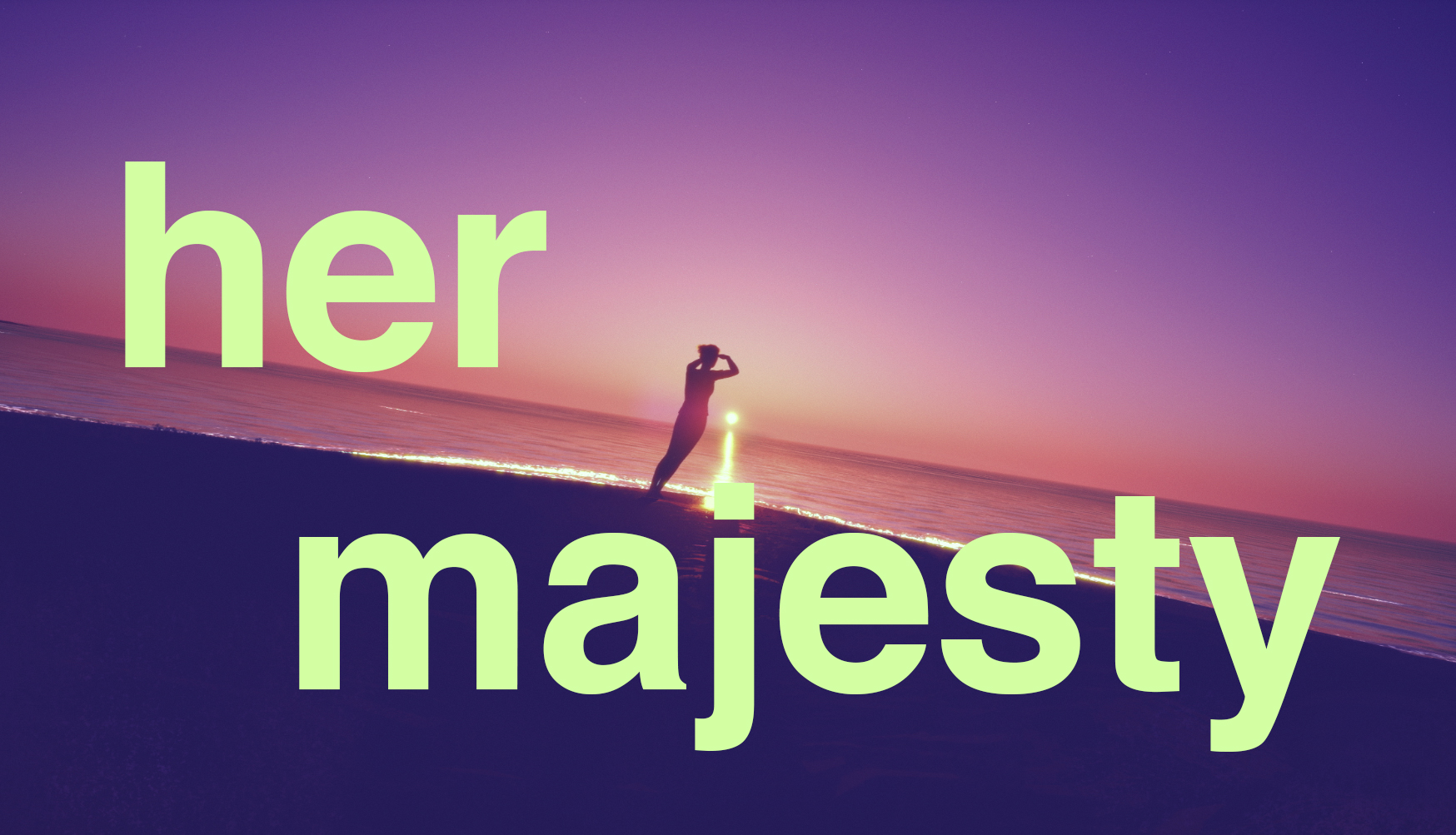
Hii I’m Tony Petroff – digital artist, animator & VFX student at Centro Sperimentale di Cinematografia in Rome. Today I’m gonna share with you an animation breakdown of my last project – Her Majesty – and dive into how I integrated Cascadeur in the process.
After completing a two-week Unreal Engine course, I had the chance to apply everything I learned by creating an animated short film as my final project. The title is: “Her Majesty” and follows a young astrophysicist who notices an unusual flash in the sky and gradually begins communicating with it through transmitted signals.
Using Cascadeur for Animating
Rather than using Cascadeur to animate a crazy ninja fight on a train falling from a cliff, I used it to animate a grounded and realistic character, focusing on subtle body language and micro-expressions that brought life to the character, since the film relies mostly on silence and observation. Every choice was guided by a clear artistic vision and stylistic intention, from the animation (gestures, poses, composition) to the stylization.
Cascadeur came in handy because I needed to animate many subtle movements and physical interactions with the ground. In particular, the shot showing the main character looking at the horizon was a bit tricky, although she is standing still, the character still required small details such as breathing, slight weight shifts, and signs of tiredness in the legs to feel believable.
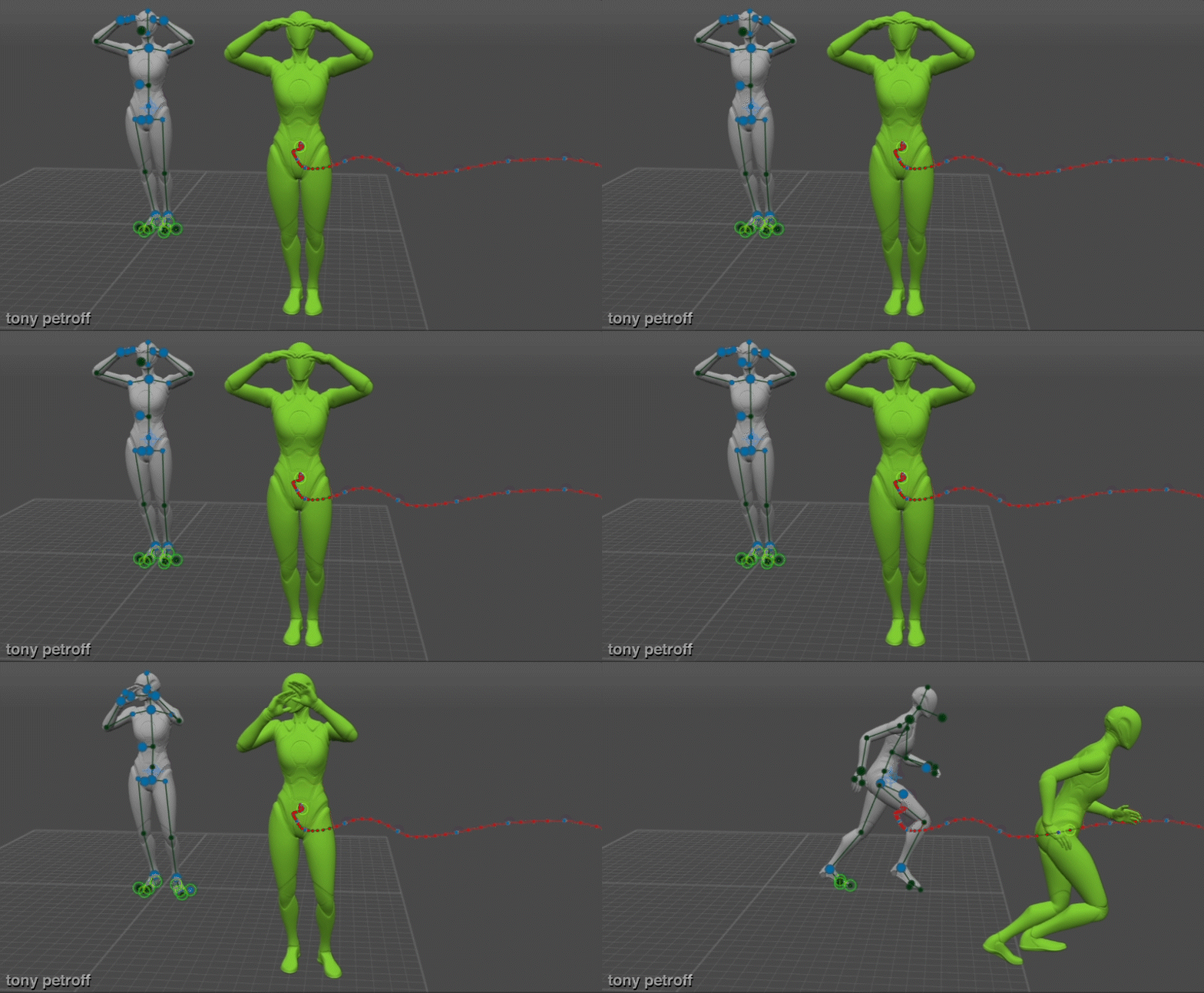
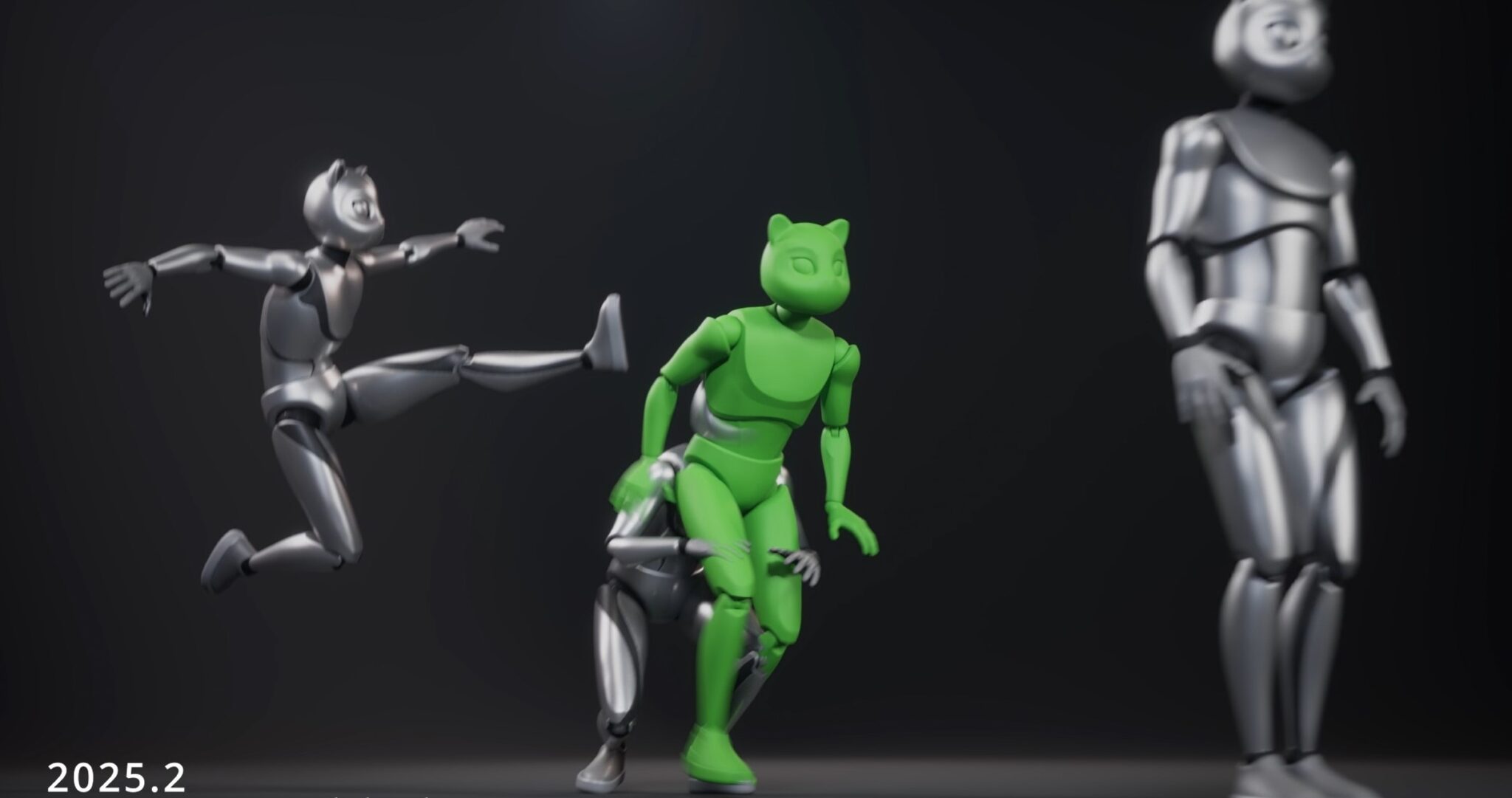
A helpful tip when working with Cascadeur is to start with a blockout of your animation with the main key poses, using as few keyframes as possible. Once those poses are interpolated, you can turn on AutoPhysics (represented by the green mannequin), and see where it needs more keyframes. From there add keyframes in between where needed adjusting the motion, this is what worked for me keeping the process clean and manageable, hope its useful.
Animation as exploration
I think my approach to animation in this project was intentionally unusual and exploratory, because usually you storyboard every scene to avoid over animating unnecessary movements and details, but my approach was to make the animation look nice from more or less every angle, this gave me freedom later on to discover stronger camera angles and be artistically more free and open to new ideas. This is not only about the freedom of finding stronger compositions, it’s about animating for the character and not for the camera.
On top of everything I reduced the frame per second to 8 or 6, depending on the scene and the movement. This was mainly for readability and stylization, and it applies only for my character, everything else is 24fps.
I strongly recommend filming and observing yourself performing the actions for reference as it helps clarify what is happening in the scene and improves the realism of the animation (if the animation is complex you could film yourself from different angles). Performing the actions yourself may help you understand where tension naturally accumulates in the body and how emotions subtly affect posture and timing.
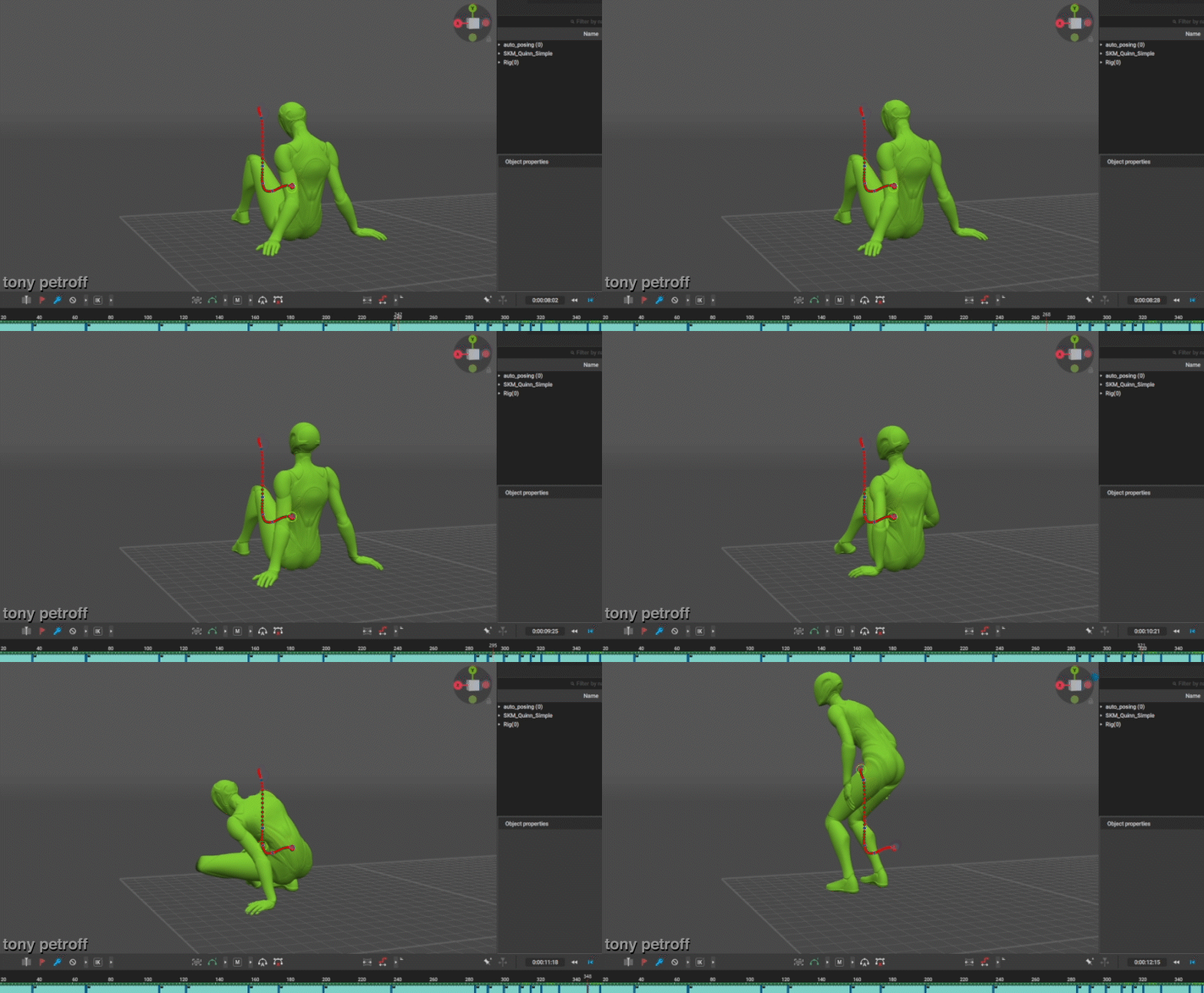
However, besides the exploration part, camera distance plays an important role in the wide shots, for example, in this scene my character notices for the first time the response of her signal in the sky and since the camera is far away from the character I had to exaggerate the movement of the shoulders to preserve readability.
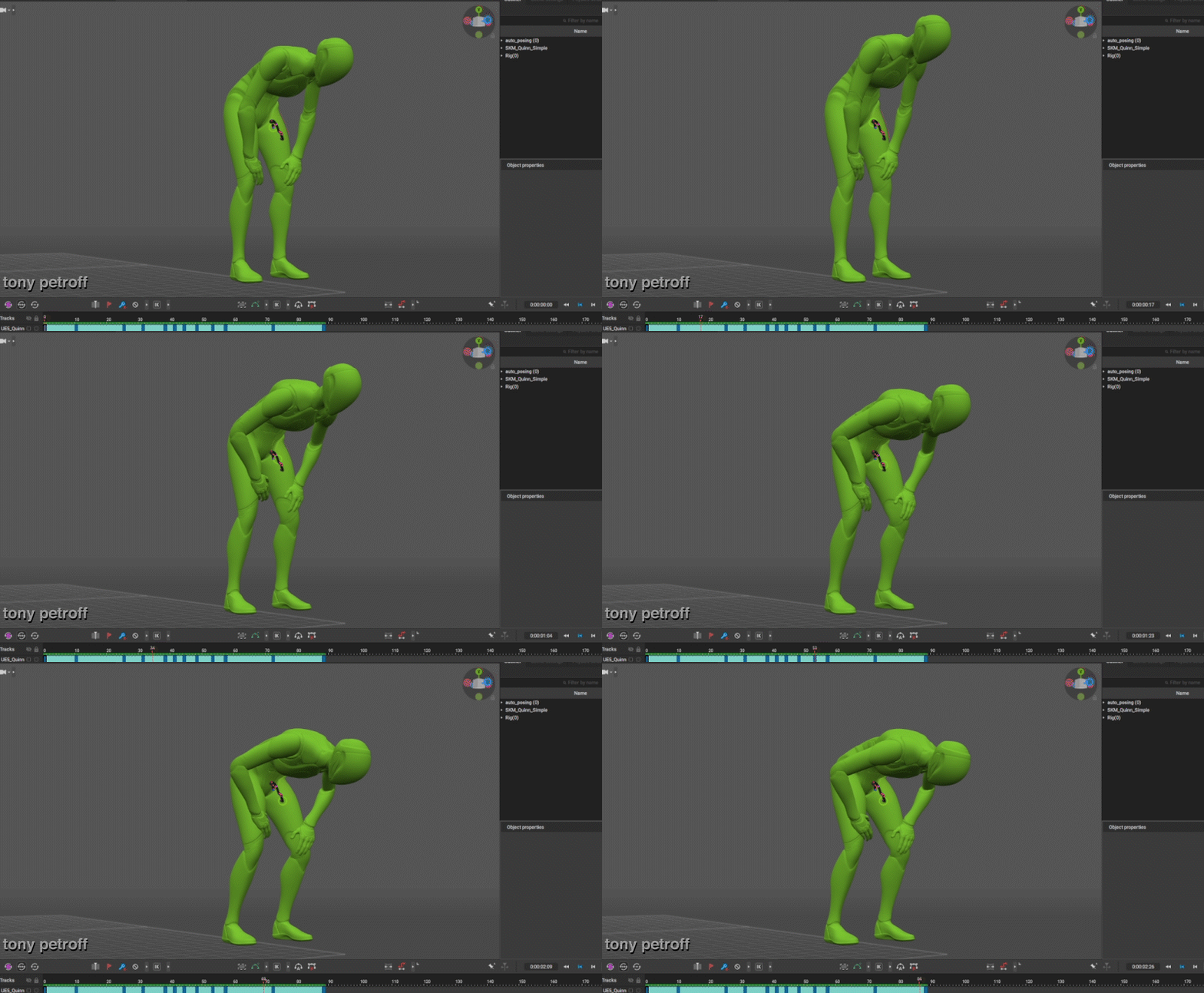
One of the most intense moments in the film is the scream scene. I wanted to make this scene feel raw and uncomfortable. But once I finished animating it something felt off, unintentionally it seemed that my character was about to throw up. The animation was fine, it just leaked of a little sparkle, so instead of reanimating the performance that was actually pretty solid, in compositing I layered wiggle and distortion effects with varying transparencies, transforming the scream into something more energetic and powerful. The result felt closer to what I had imagined, so this teaches us that sometimes the solution isn’t more animation, but a different way of caching or enhancing what’s already there 🙂
Final thoughts
Her Majesty was a deeply personal project, a short animated film unfolding a platonic love story, a form of love for the soul through communication. It’s an exploration between wonder and collapse, fractured by the attachment who reveals how fragile humans can be. I thank you very much for the attention and invite you to check my instagram were I post different visual projects including this one:
Watch the instagram post with selected scenes from the short film “Her Mayesty”: https://www.instagram.com/p/DUscczfDbOx/?igsh=MTZlODZubjJpb3pyOA==
If you are a student like Tony, you can get a discounted Cascadeur Pro license for just $49 per year. You can order it on our Students and Teachers page:
https://cascadeur.com/education