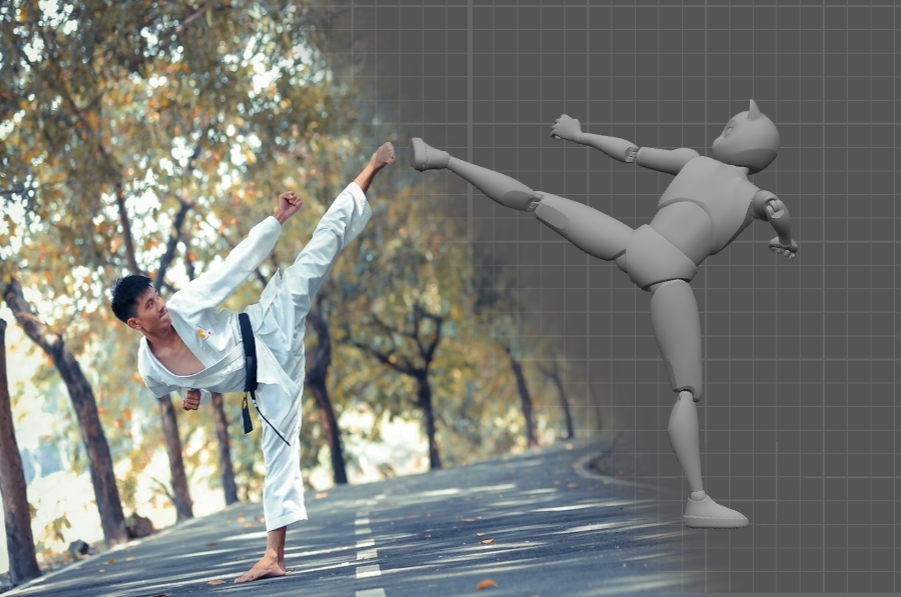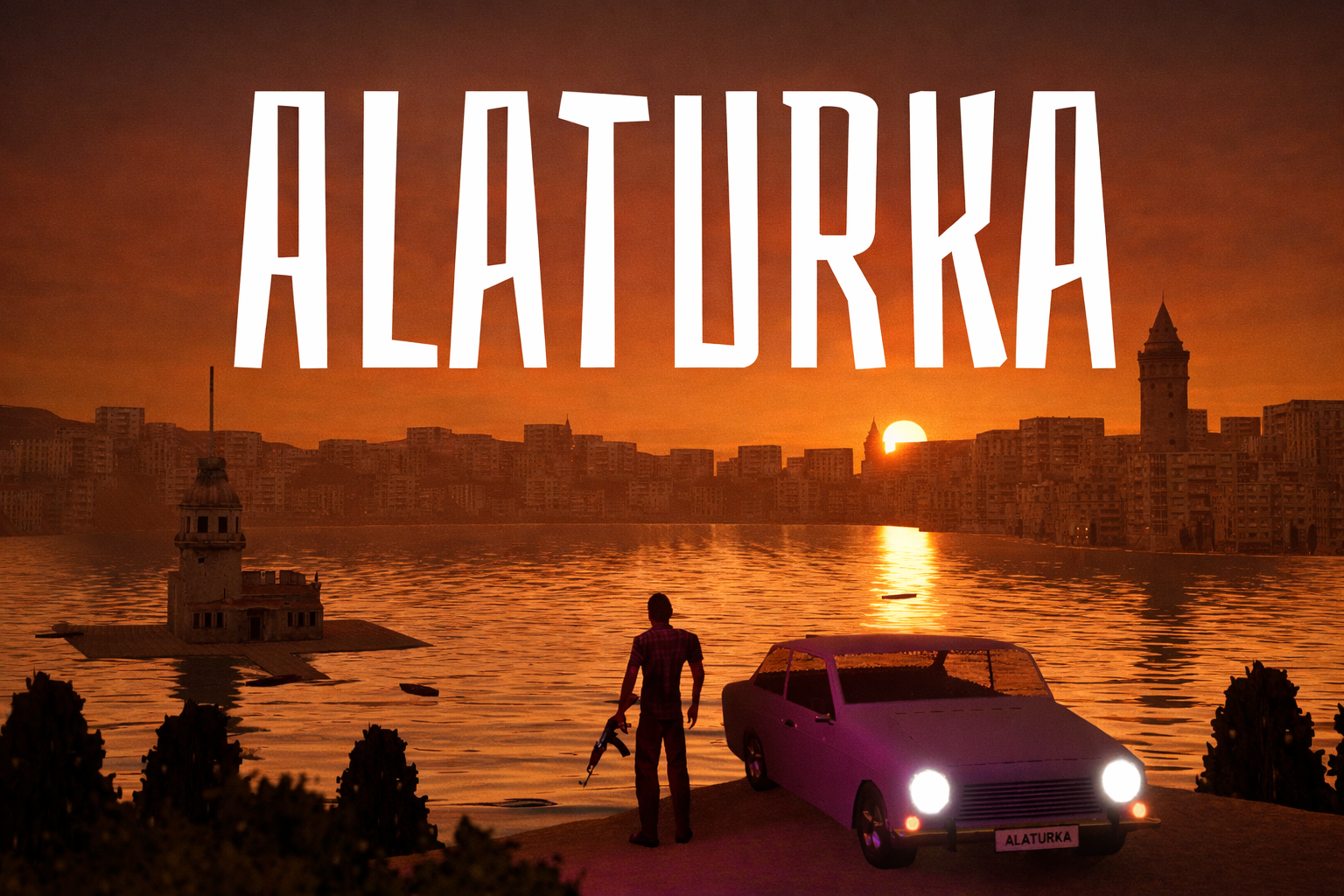
Hi, I’m Burak Akşahin a.k.a Bufuak. Solo developer of ALATURKA and Unreal Authorized Instructor and Community Leader based in Istanbul.
For the last 5 years, I have been creating educational content about Unreal Engine, sharing tutorials, and analyzing project samples for the community. Last year, I decided to start a new journey. I wanted to create a project that wouldn’t just be a game, but a live documentation of how a game developer actually develops a game.
To do that, I started developing ALATURKA.
ALATURKA is an old-school, open-world action game set in a fictionalized 1970s Istanbul. It is a love letter to the classic open-world action games of the PS2 era—games where the city felt alive, the cars felt heavy, and the chaos was endless.
But this isn’t just about shooting bad guys. It’s about the hustle. As a country boy who has never stepped foot outside his village, you have arrived in Bosforus, a city built on two continents where traffic never flows, and seagulls never stop screaming.The streets are narrow, the traffic is aggressive, and the Psychedelic Anatolian Rock music is blasting from the radio. One moment you are driving a battered minibus to earn an honest living, and the next, you are drifting a heavy muscle car to escape a police raid after a botched delivery.
The core of the game relies heavily on physics, from the bouncy suspension of the cars to the chaotic ragdolls of the NPCs. I wanted to capture that specific “janky but fun” feeling of early 3D games, where every collision feels impactful and every mistake can turn into a hilarious disaster.
Since ALATURKA is primarily an educational project, I challenged myself to build every system on my own. From character locomotion to traffic AI to pedestrian behaviors. As a solo developer, you have to wear every hat.
However, the “Animator Hat” has always been the hardest one for me to wear.
My development process is transparent. After each livestream, I share short videos about my progress on social media.
The reception to the mechanics was great. People loved the heavy driving feeling, the vehicle physics, and the funny interactions in the open world. But there was one consistent piece of feedback that I couldn’t ignore:
“The animations are bad.”
Even for a retro-styled game, the movement felt off. I tried making animations using other industry-standard tools, but I found them incredibly unintuitive for a developer with zero animation experience. My characters moved, but they didn’t feel real. They lacked the most important thing in an action game: Weight.
I realized that if I wanted ALATURKA to be a high-quality educational example, I couldn’t settle for floaty, “programmer art” animations. I needed a tool that could bridge the gap between my technical knowledge and my lack of artistic animation skills.
That is when I decided to give Cascadeur a shot.
As an Unreal Instructor, my biggest concern is always the pipeline. “Will it break on import?” “Do I have to retarget everything?” Cascadeur surprised me here. It comes with a default UE5 Rig template. This meant I could create animations specifically for the UE5 Mannequin structure and import them directly into my project without any compatibility headaches. As I showed in my Devlog 2, the workflow was seamless—no broken bones, no weird rotations. Just export, import, and play.
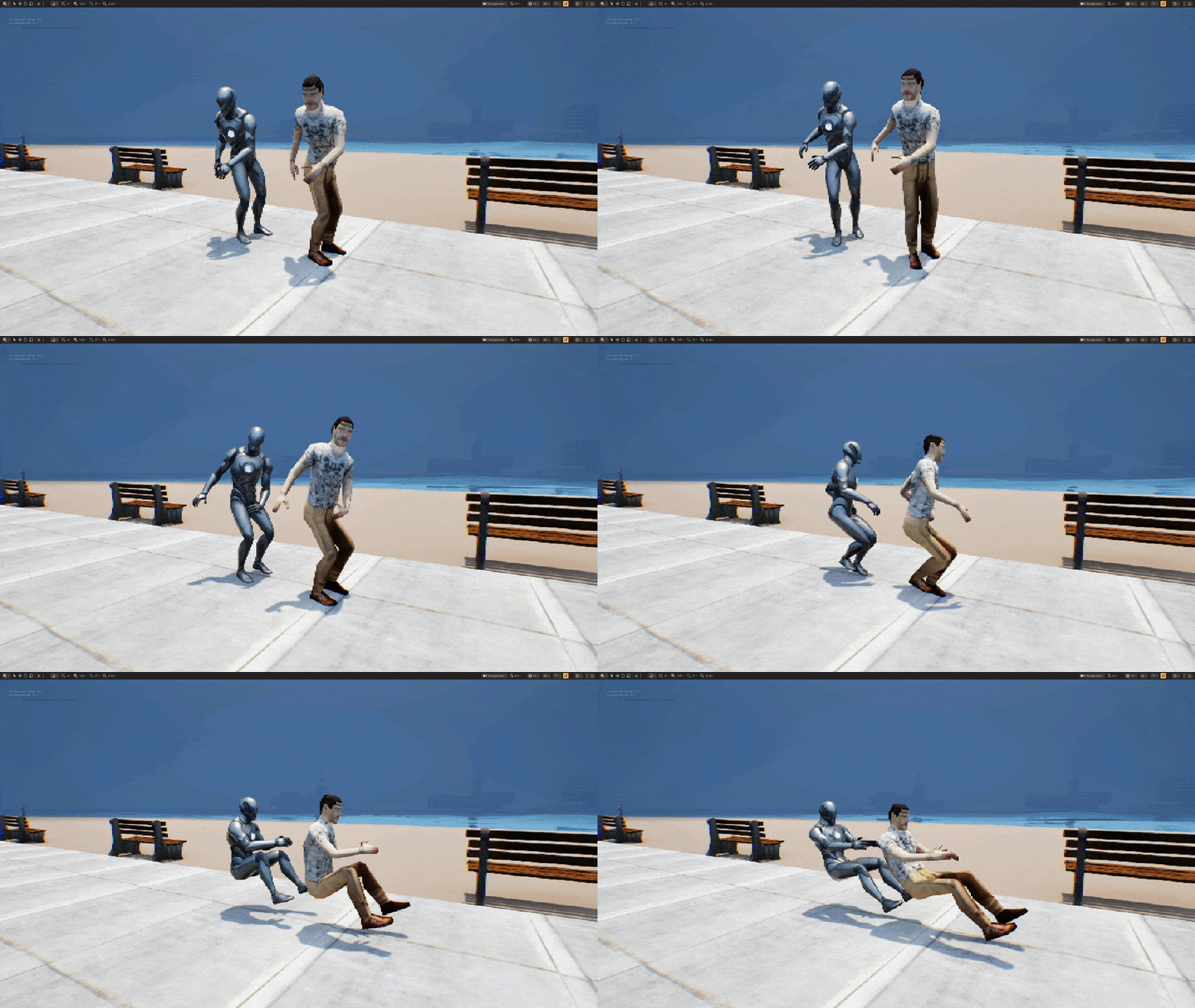
Once the pipeline was set, I started with the basics. In any open-world game, if the walk cycle looks bad, the whole game feels bad.
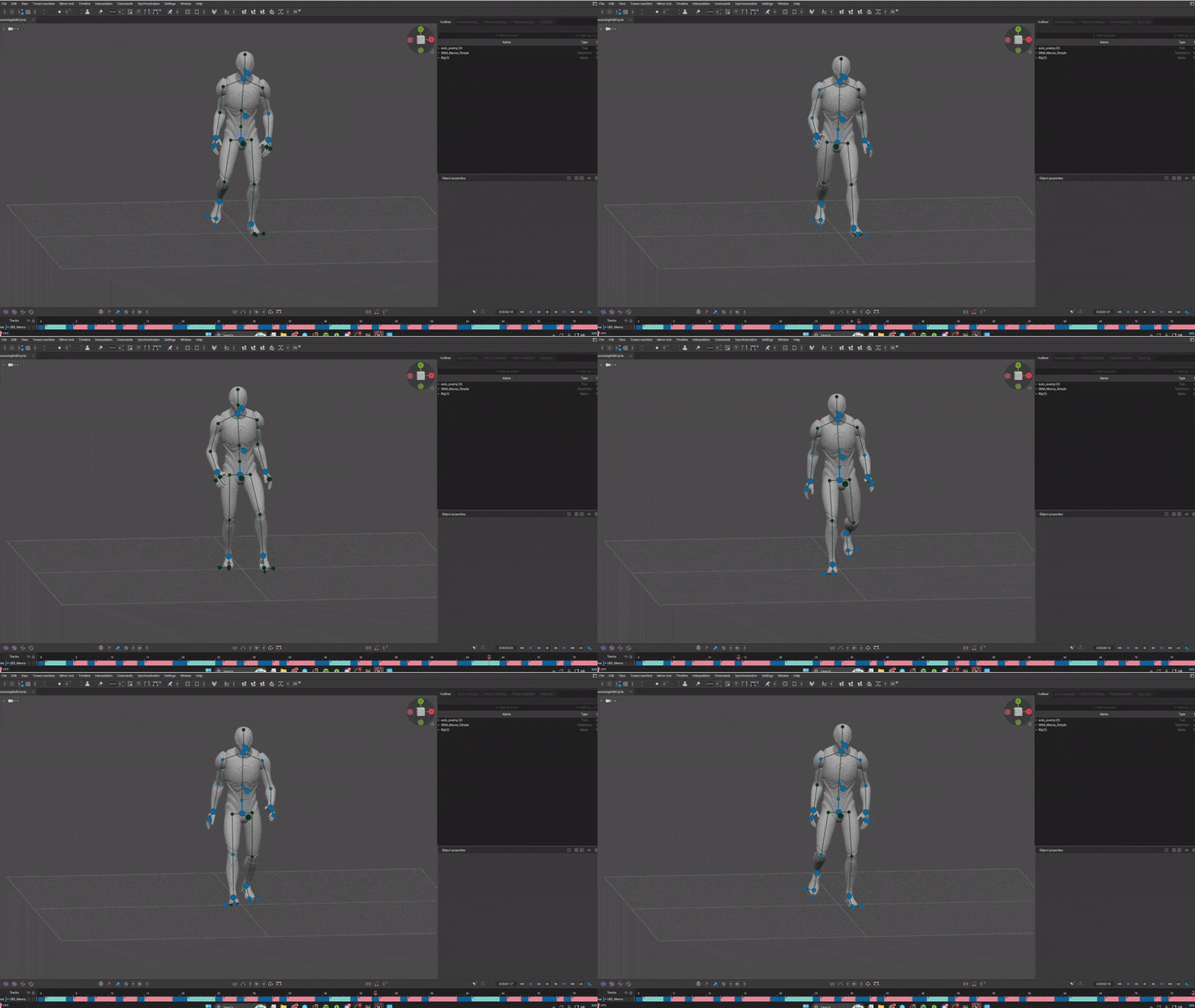
I tried Cascadeur’s Inbetweening tool. The process was shockingly simple for someone used to coding logic rather than art:
1 – I posed the character for a single frame.
2 – I moved the hips slightly to suggest momentum.
3- I mirrored the pose for the next step.
Cascadeur’s AI filled in the gaps instantly, creating a perfect loop. When I combined this with Auto-Physics, my character suddenly had mass. The “floaty” feeling was gone.
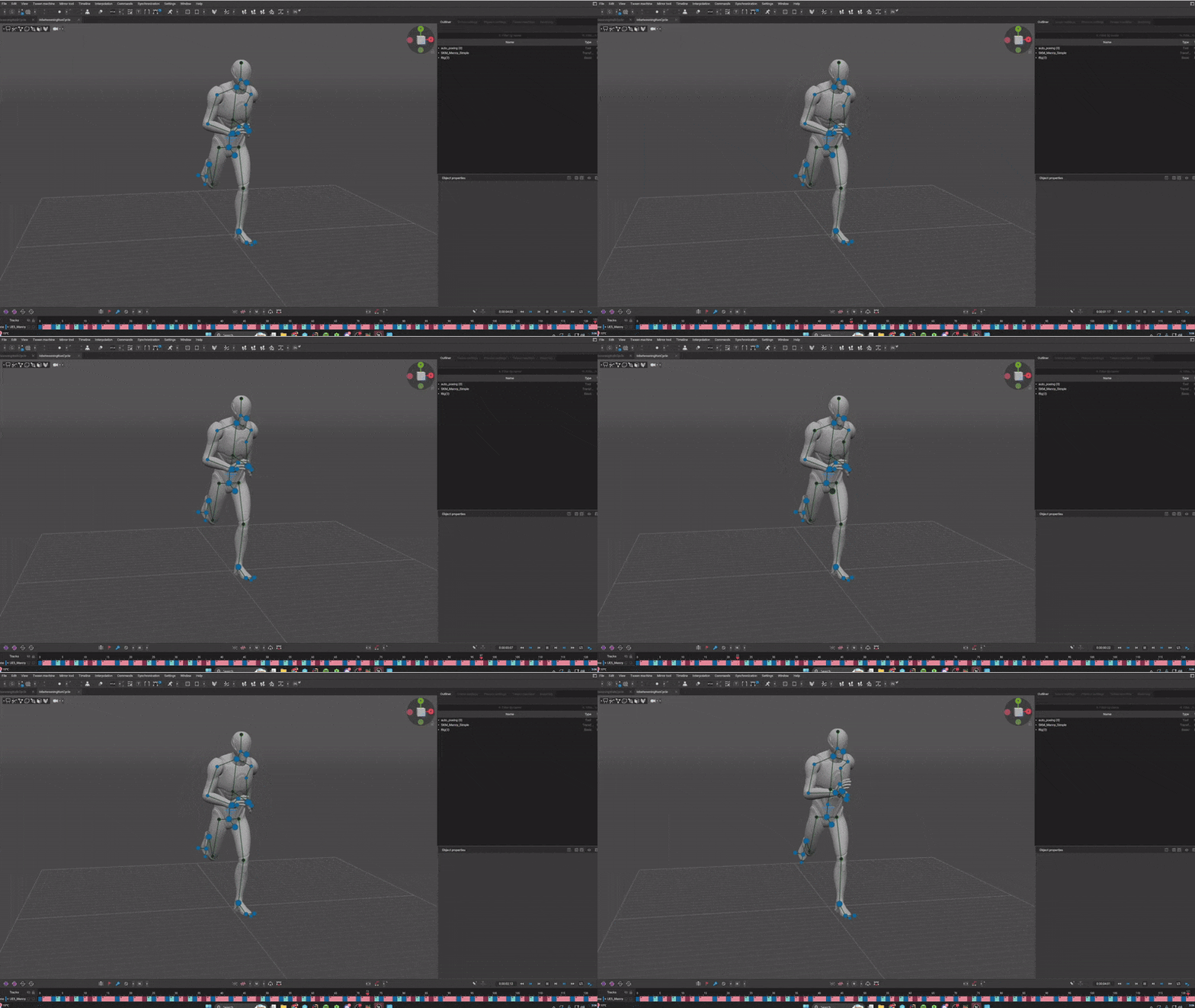
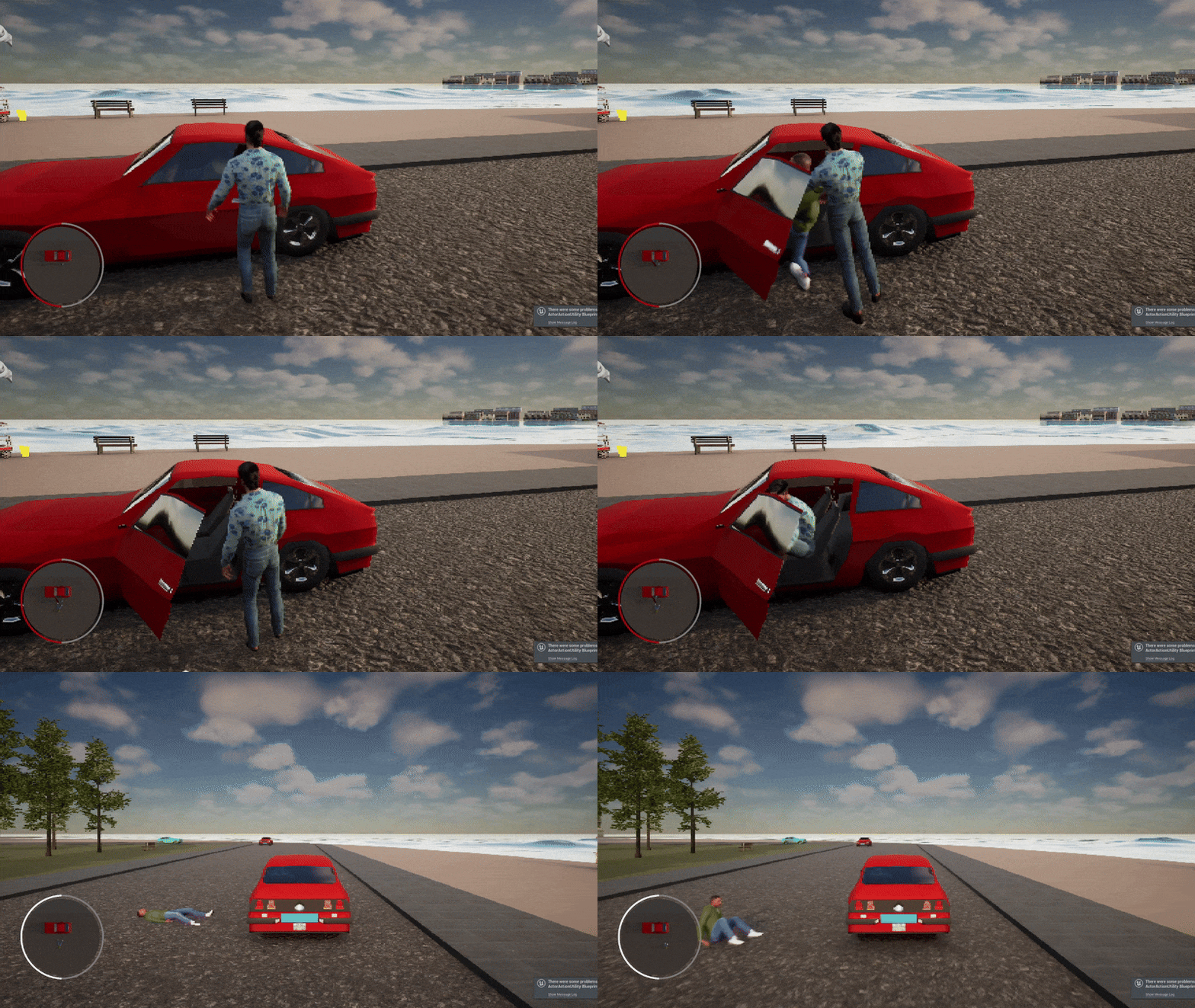
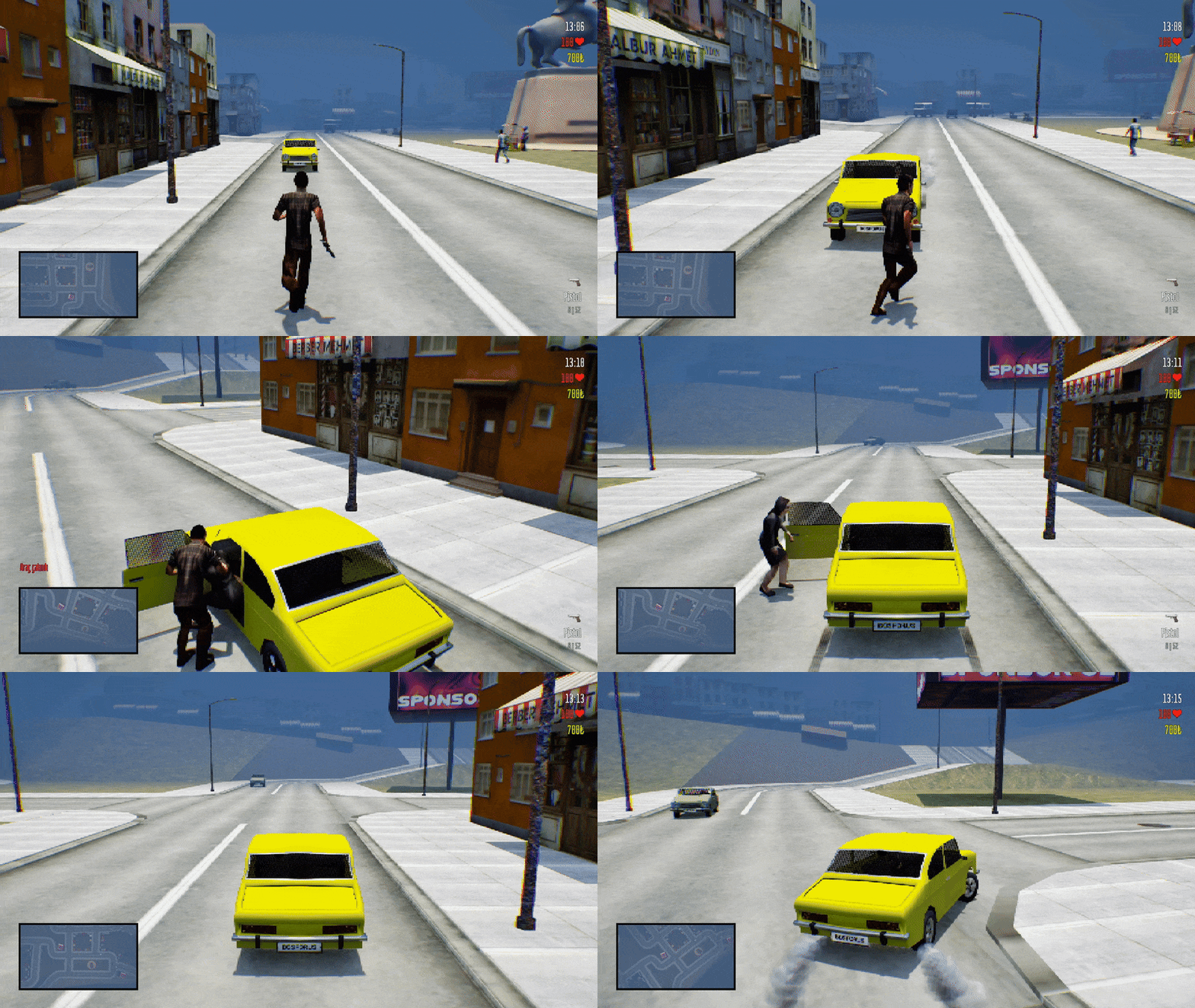
Vehicles are the heart of ALATURKA’s gameplay loop. Players need to enter cars, exit them, and – most importantly – hijack them by pulling AI drivers out.
This is a nightmare scenario for a solo animator: it involves two characters interacting (syncing) and complex physical constraints (the car door, the seat).
I wanted to stress-test my new pipeline. I set up the scene in Cascadeur with two characters. The goal was to make the player grab the driver and throw them out.
Because I could visualize the physics, I could see exactly where the leverage points were. I didn’t have to guess if the arm pull looked realistic; the tool showed me the force lines. I managed to sync the “Pull” animation of the player with the “Stumble Out” animation of the driver perfectly.
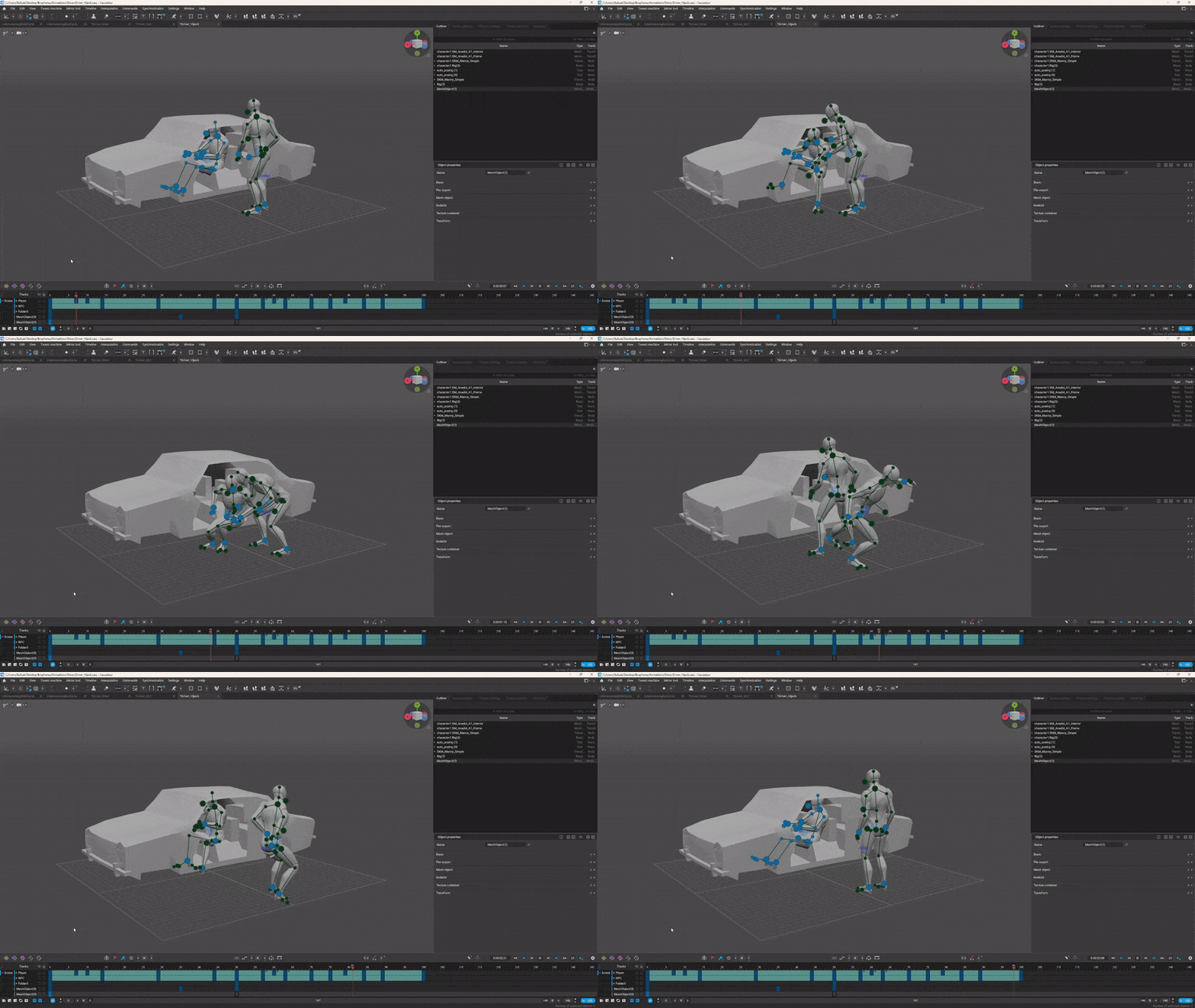
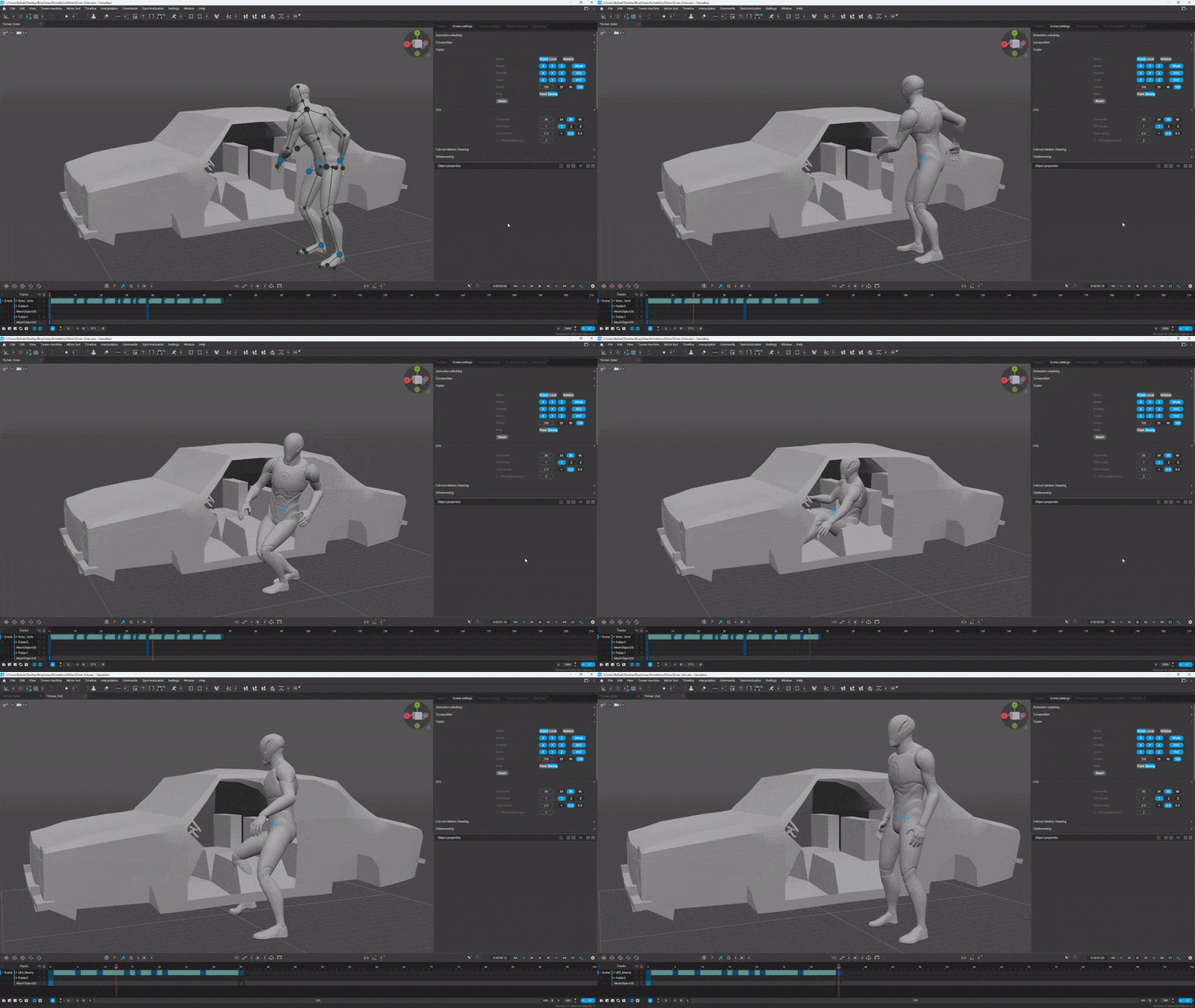
People really loved the new set of vehicle animations. What used to be the weakest link in my project has become a feature I’m proud of.
Cascadeur didn’t just give me better animations; it gave me confidence. It allowed me to finally wear that “Animator Hat” without feeling like an imposter. For a solo developer trying to build a living city, that efficiency is everything.
You can follow the development of ALATURKA and watch my devlogs and livestreams to see how we build this world together.